20 February 2026
Organised by FIHCR in collaboration with SSSUHE
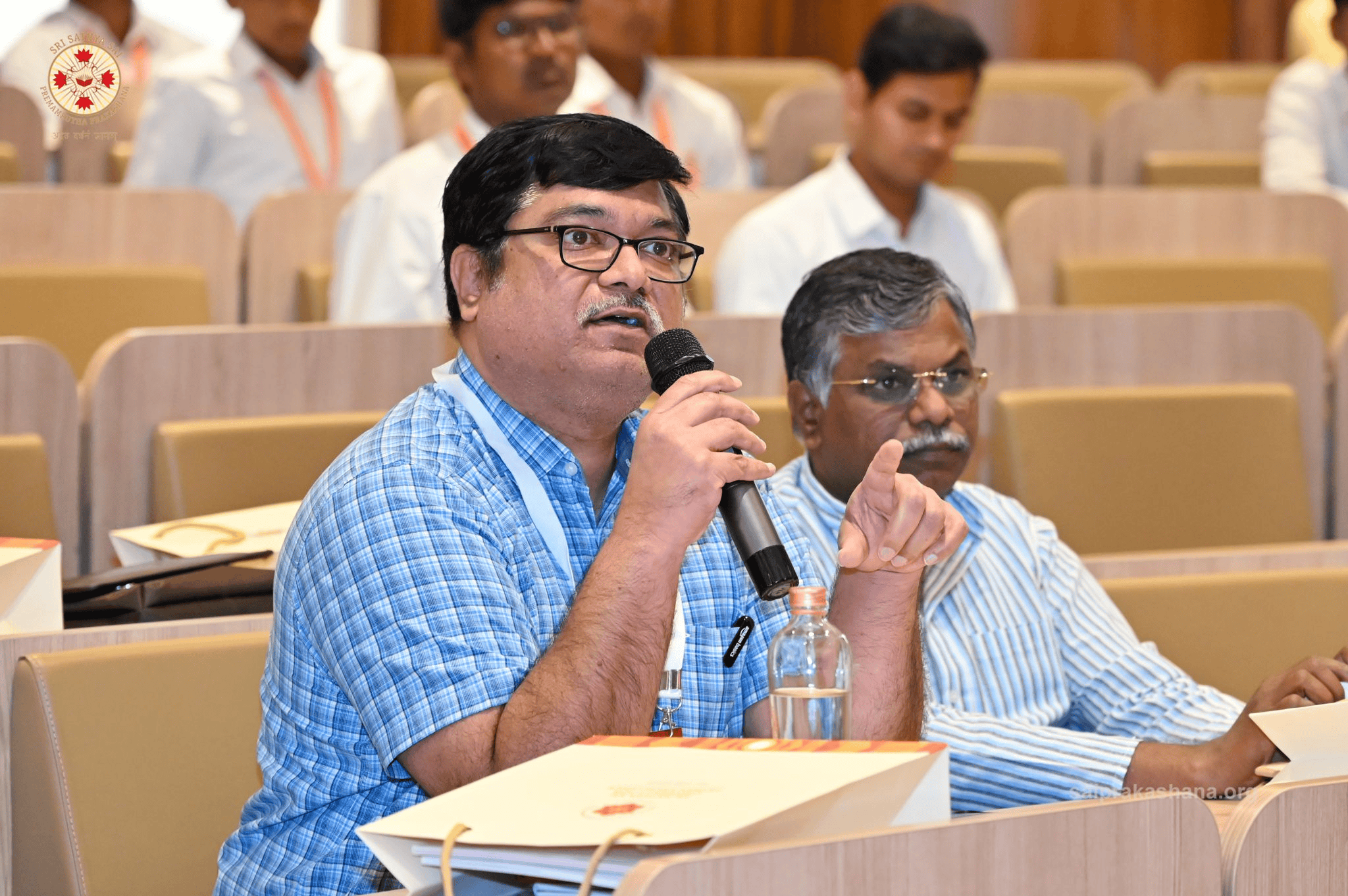
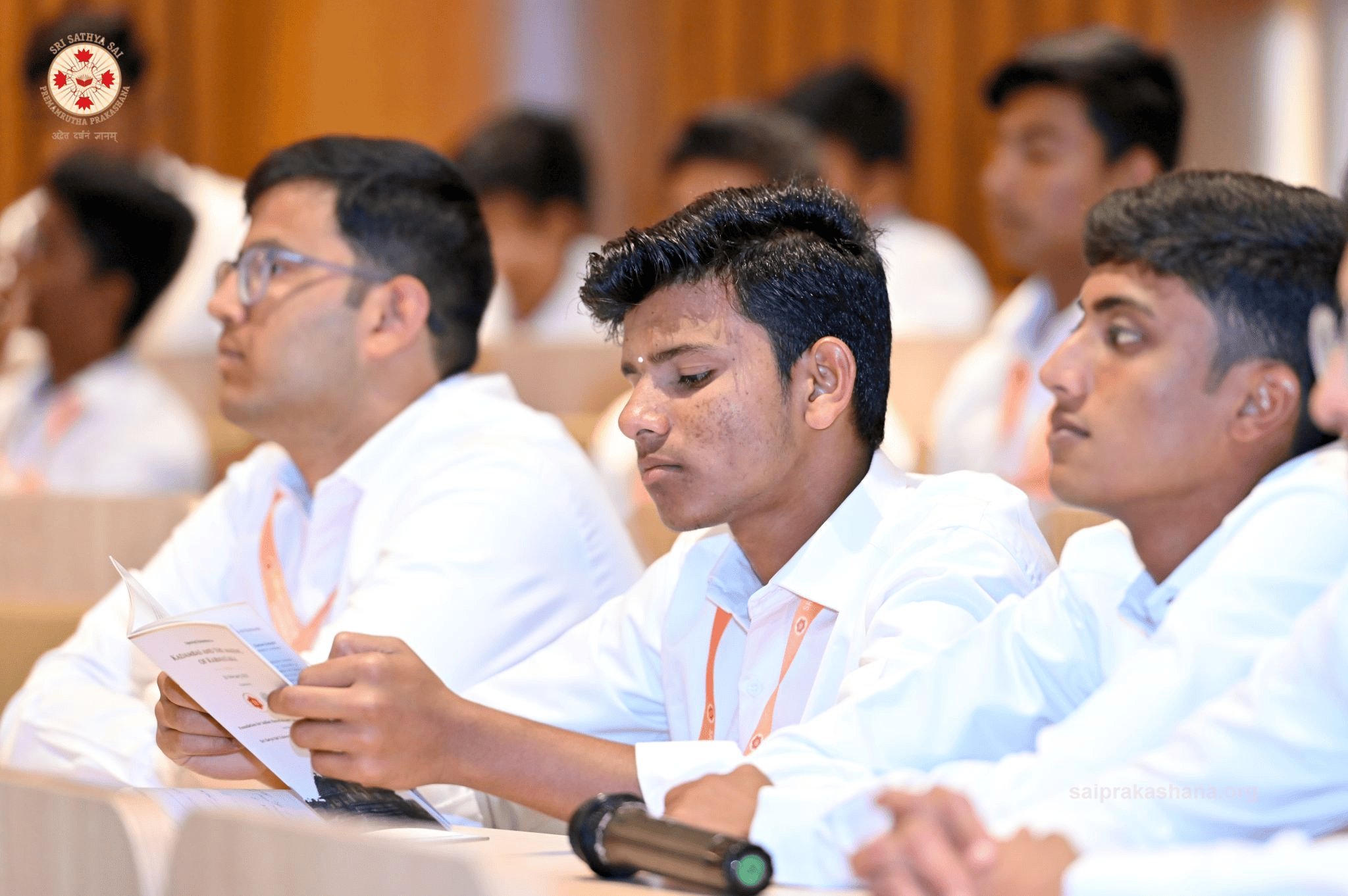
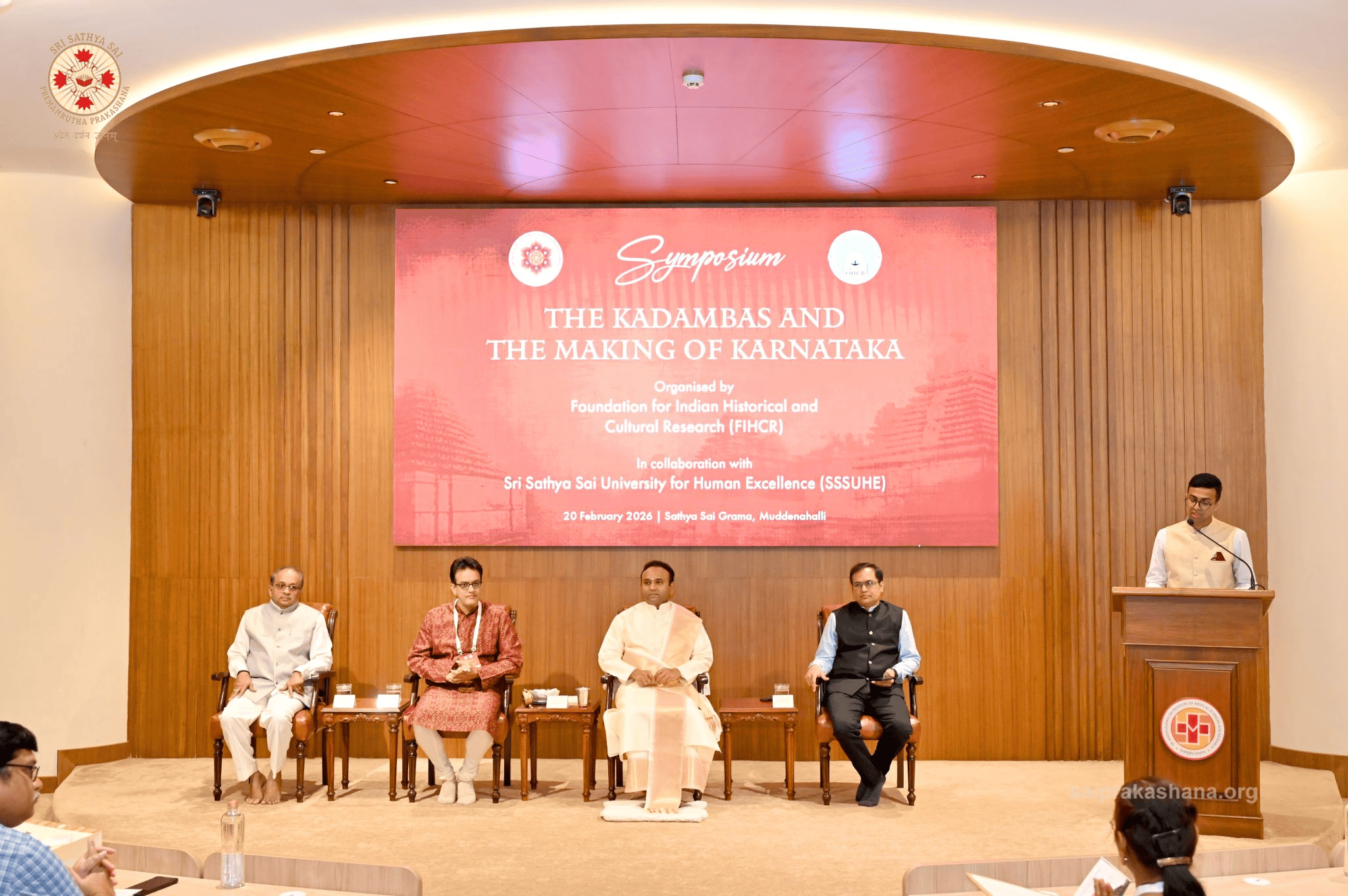
The Opening Symposium on “The Kadambas and the Making of Karnataka” was held on 20 February 2026 at Sri Sathya Sai University for Human Excellence, as part of a year‑long research project exploring the historical, cultural, and linguistic contributions of the Kadamba dynasty. Bringing together historians, archaeologists, epigraphists, numismatists, linguists, faculty, and students, the symposium aimed to reassess the Kadambas as a foundational force in shaping early Karnataka’s identity.
Objectives
The symposium sought to:
reconstruct the lesser‑known history and archaeology of the Kadambas;
analyse the early Kannada (Kadamba) script palaeographically;
document cultural and religious patterns of the period;
highlight Western Karnataka’s role in early state formation; and
develop an interdisciplinary understanding of Kadamba contributions.
Inaugural Session
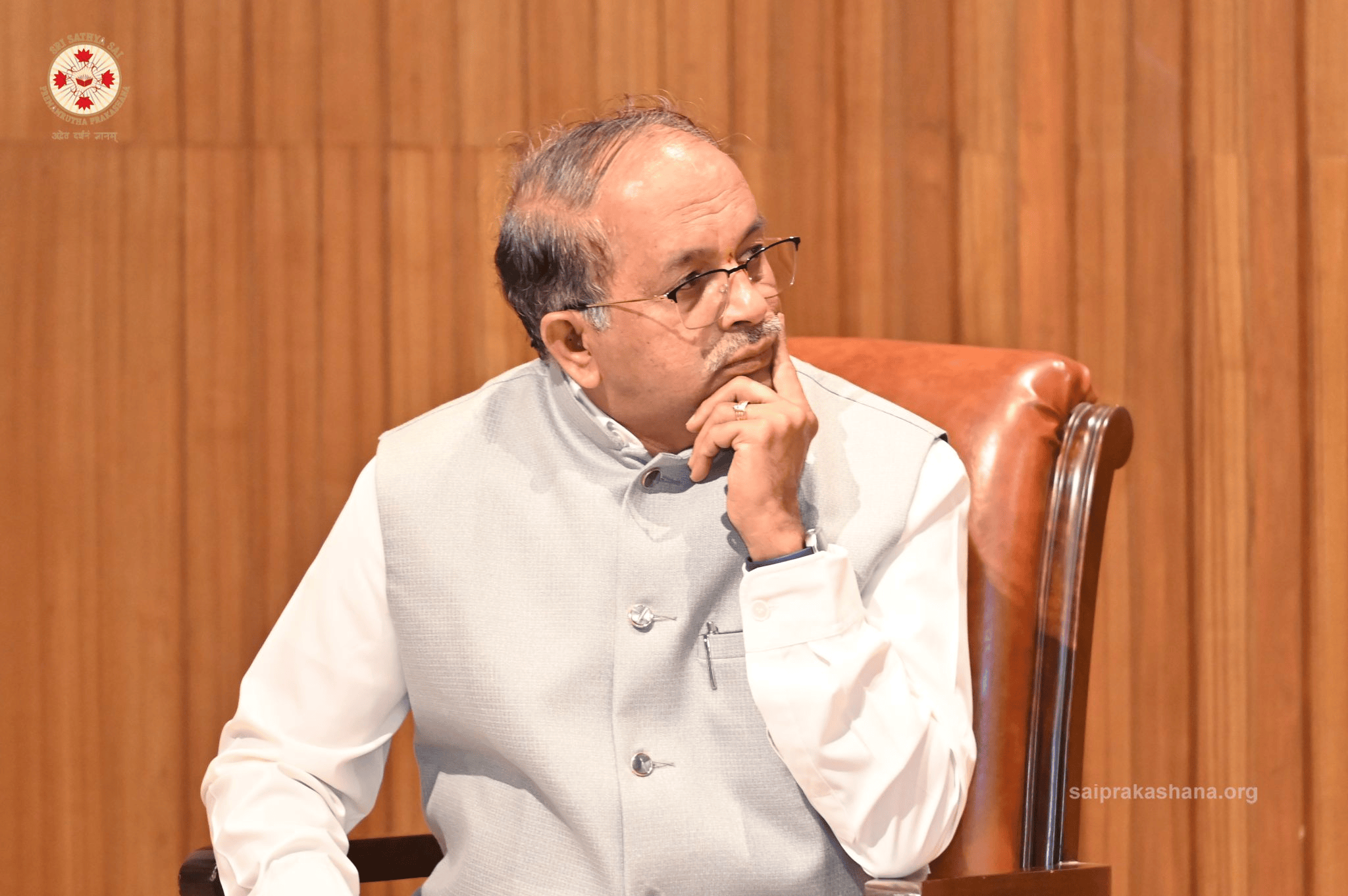
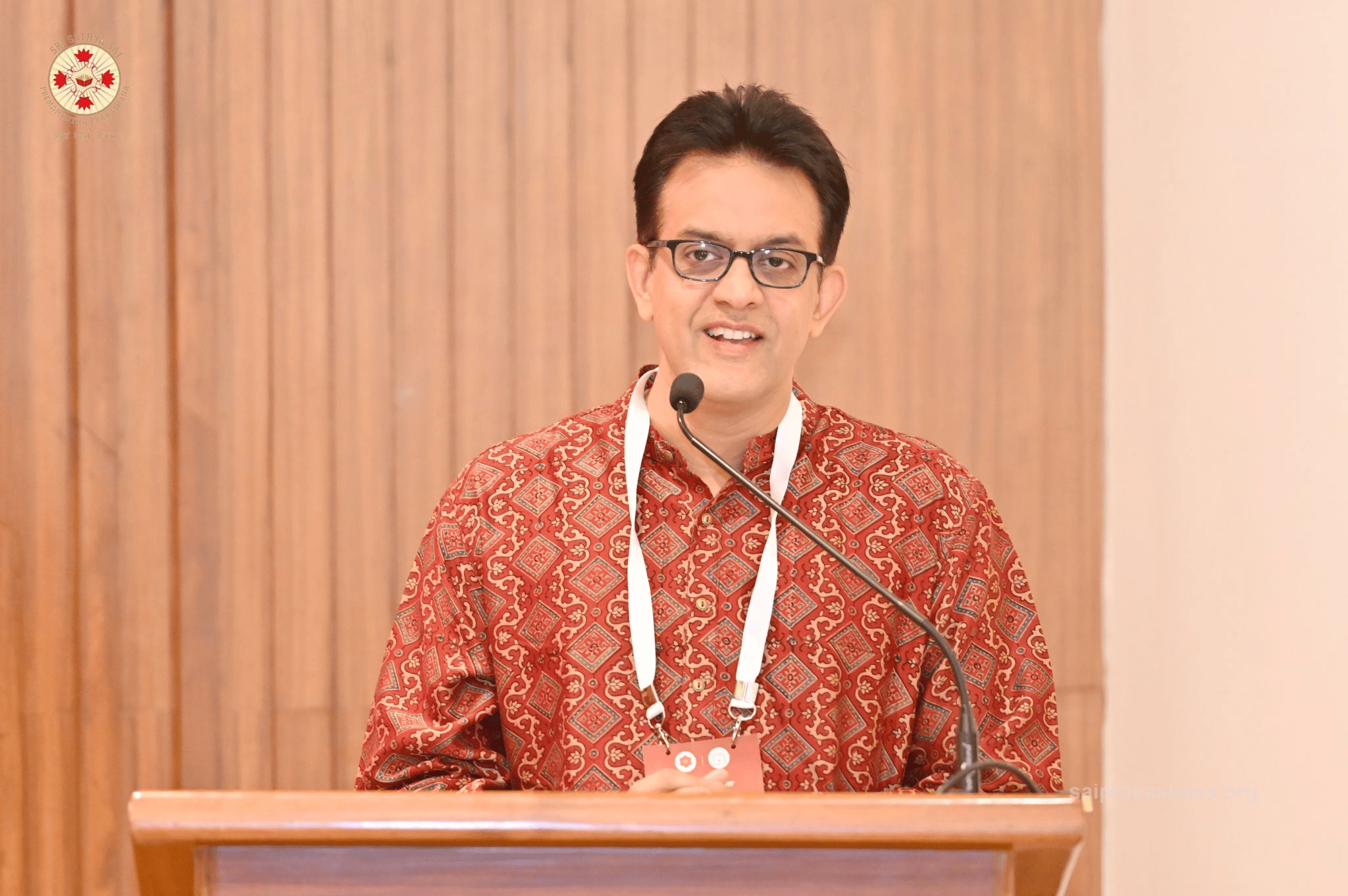
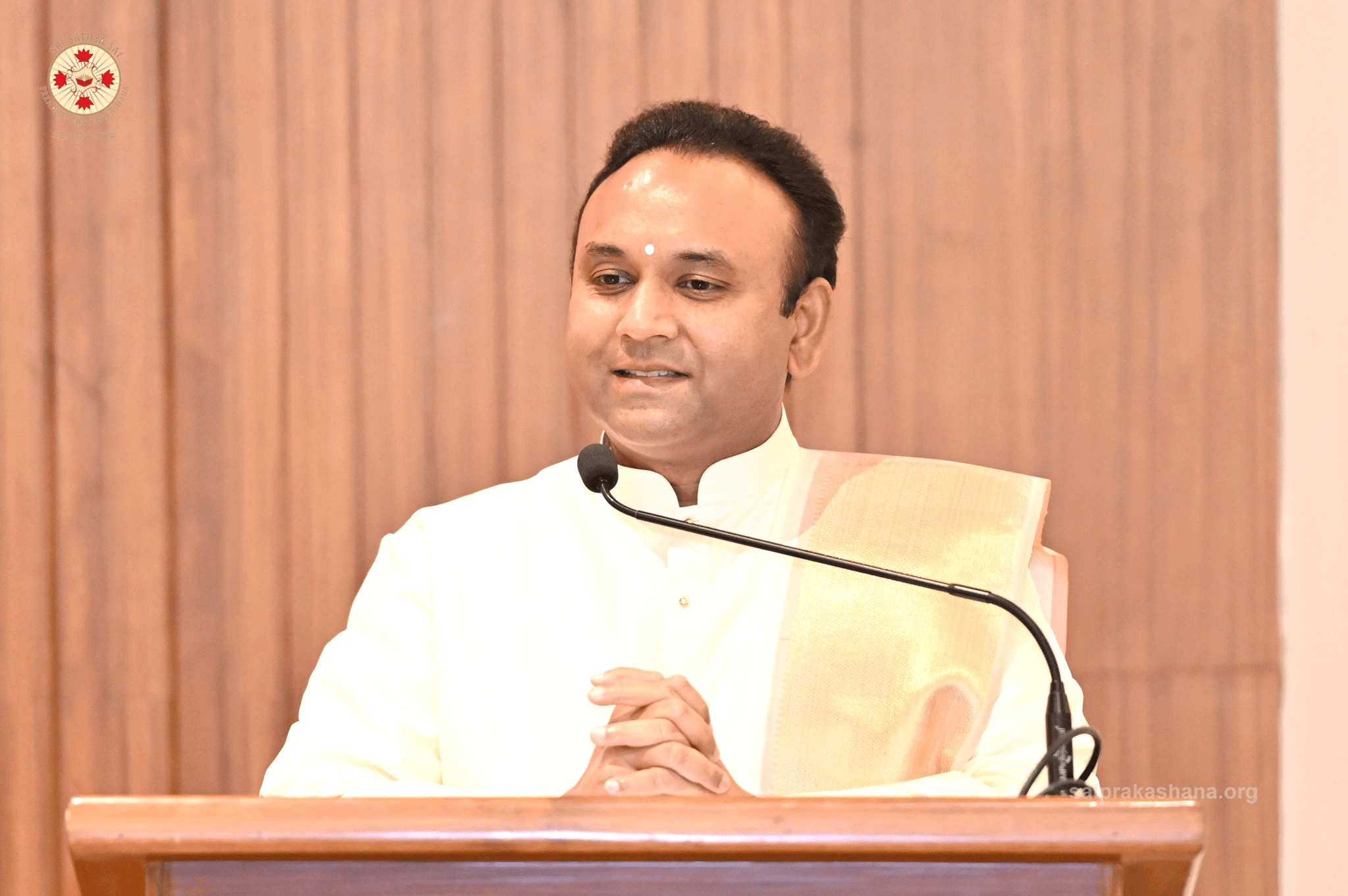
Dignitaries included Chancellor Sadguru Sri Madhusudan Sai, Dr. Vikram Sampath, Dr. Laxmeesha Hegde Sonda, and Prof. R. M. Shadaksharaiah.
In his welcome, Dr. Vikram Sampath outlined the purpose of the research initiative.
Keynote Address – Dr. Laxmeesha Hegde Sonda
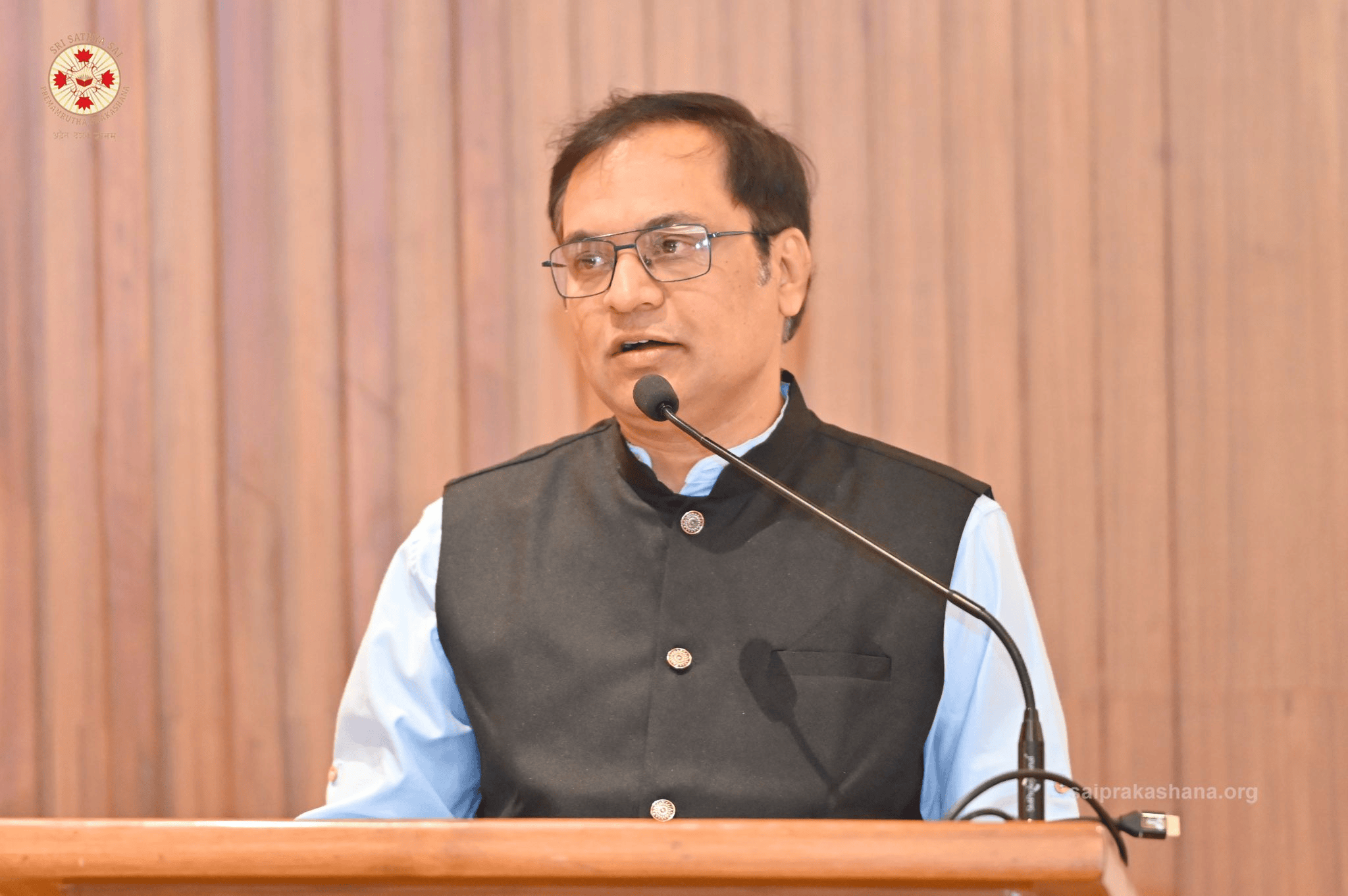
Dr. Hegde highlighted the Kadambas (4th–6th century CE) as the first indigenous dynasty of Karnataka, with Banavasi as their capital. Using sources such as the Talagunda inscription, he discussed early Kannada inscriptions, administrative practices, and cultural advances. He urged scholars to move beyond political narratives and emphasise temple architecture, education, language development, and spiritual culture for a holistic understanding of history.
Chancellor’s Address
Sadguru Sri Madhusudan Sai emphasised making history engaging for students and integrating spiritual and cultural dimensions rather than limiting inquiry to political events. He illustrated alternative interpretations of the origin of the word Karnataka from spiritual traditions.
Technical Session I: Archaeology of Kadamba Sites
Speakers: Prof. R. M. Shadaksharaiah, Dr. Arjun Rao, Dr. Sanathana Y. S.
Key insights included archaeological discoveries at Halasi, Gudnapur, Banavasi, and Talagunda; early urbanisation in the Western Ghats; and interregional networks shown through inscriptions, alliances, and literature.
Technical Session II: Epigraphy and Numismatics
Speakers: Prof. Smita P. Surebankar, Dr. Gautam Jantakal, Mr. Harsha M
Major themes included sixty‑five Kadamba inscriptions in Kannada, Sanskrit, and Prakrit; emergence of Kannada as an administrative language; coinage sequences from Mauryan to Kadamba period; and early expressions of a Kannada regional identity.
Technical Session III: Kadamba Historiography
Speakers: Prof. Basavaraja Kodagunti, Mr. Arindam Chaturvedi, Mr. Mansij Pal
Discussions covered development of early Kannada script, royal epithets such as Doṣarāṣi, strategies of legitimisation, Sanskritisation, and the rise of regionalism under the Kadambas.
Conclusion
The symposium successfully fulfilled its academic goals, reaffirming that the study of the Kadambas must extend beyond political history into the realms of cultural, linguistic, spiritual, and societal analysis. It set the foundation for sustained research on the dynasty and deepened scholarly engagement with Karnataka’s early historical landscape.
 May 12th, 2025