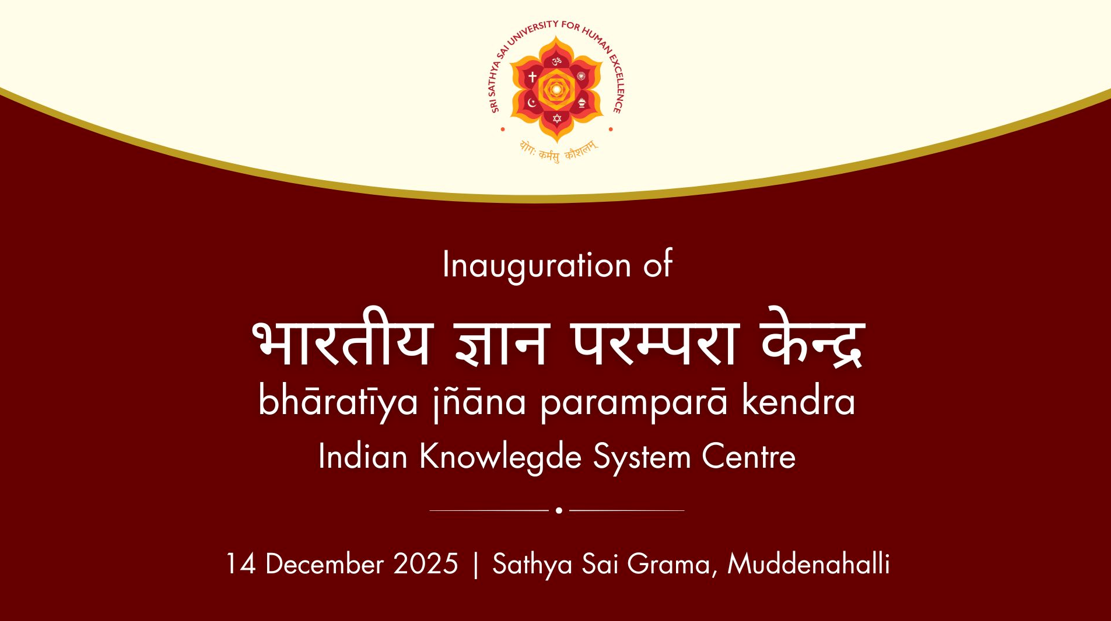
Introduction:
The Indian Knowledge Systems (IKS) encompass Jñāna (knowledge), Vijñāna (science), and Kaushala (applied skills), and are recognized by the National Education Policy (NEP) 2020 as a guiding principle for future education. The Bharatiya way emphasizes sustainability and the welfare of all (Sarvabhūtahita).
Benefits of IKS:
Cultural Revival: The integration of IKS aims to revive and mainstream India’s unbroken traditions.
Scientific Integration: It involves the inclusion of tribal, local, and indigenous knowledge in a scientific and interdisciplinary manner.
Key Sectors: It holds relevance in ethno-medicine, natural farming, governance, and conservation.
Skill Development: It fosters the creation of employment and skills in areas like Ayurveda dietetics, heritage technology, and crafts.
Vision:
To revive, research, and integrate the timeless wisdom of Bharatiya Knowledge Traditions with modern education and global standards, fostering individuals of brilliant intellect, skilled hands, and compassionate hearts for universal welfare.
Mission:
To establish a vibrant hub in rural India for research, training, and dissemination of Indian Knowledge Systems, rooted in ancient ethos and aligned with contemporary needs.
To impart high-quality education and skill development in IKS through interdisciplinary research, innovative pedagogy, and language empowerment (Bhasha).
To nurture values of selfless service, cultural pride, and sustainability through IKS-based programs and community engagement.
To prepare future leaders who harmonize scientific temper with spiritual wisdom for holistic societal progress.
Activities:
The Centre's activities are structured around three mandatory pillars: Research, Education/Mentoring, and Outreach/Dissemination.
1. Research and Academics
Conduct interdisciplinary research on Sanskrit texts, IKS pedagogy, and Indian philosophical systems.
Develop and implement credit-based IKS courses for UG and PG students (minimum 5% of credits).
Initiate Minor Degree and Certificate Programs in IKS, Bhasha, and traditional sciences.
Encourage faculty and student research projects funded by the IKS Division, NRF, or ICSSR.
Conduct IKS hackathons and integrate them with the Smart India Hackathon.
2. Education & Mentoring
Establish a Teacher Training Unit and conduct Faculty Development Programs (FDPs) as per MoE guidelines.
Introduce IKS modules into B.Ed and M.Ed programs.
Offer certificate courses in Bhasha (Sanskrit and Regional Languages).
Promote inter-departmental collaboration to infuse IKS perspectives into all curricula.
3. Outreach & Dissemination
Establish a "Bhasha Bharati" Wing to strengthen Sanskrit and regional language education.
Organize language immersion camps for Sanskrit communication (SamskritaSambhāṣaṇa).
Publish bilingual teaching-learning materials (Sanskrit-English / Sanskrit-Kannada).
Conduct public lectures, webinars, and Shibiras on Vedic ecology and Indian psychology.
Organize Jan Bhāgīdāri programs (community participation) such as exhibitions and art fairs.
Establish Artist-in-Residence programs linking traditional artisans with students.
Proposed Thematic Areas:
The Centre will focus on the following four thematic areas:
Speech and Linguistics.
Vedic Philosophical and Cognitive Sciences.
Educational, Contemporary Social, and Cultural Sciences.
Historical and Civilizational Sciences.
Future Plans:
The Centre will act as an institutional catalyst with the potential to evolve into a Centre of Excellence in specific domains.
Digital Repository: Create a digital repository of ancient manuscripts and translated materials.
Translation Goal: Undertake the translation of IKS materials into Kannada, English, and other Indian languages. This aligns with Project FIT (Technology for Language), which supports translation into 22 scheduled Indian languages.
Cadre Creation: Work to introduce IKS as a UGC-NET subject to create a dedicated cadre of IKS educators.
Functional Components:
Research Wing: Interdisciplinary projects, manuscript studies, and integration with NEP 2020.
Training Wing: Faculty Development Programs and certificate courses in IKS and Bhasha.
Bhasha Wing: Sanskrit/Regional Language immersion camps, translation projects, and bilingual material development.
Contact Information:
Dr Naveen Bhat, Coordinator, IKS Centre, SSSUHE
iks@sssuhe.ac.in
9449382069
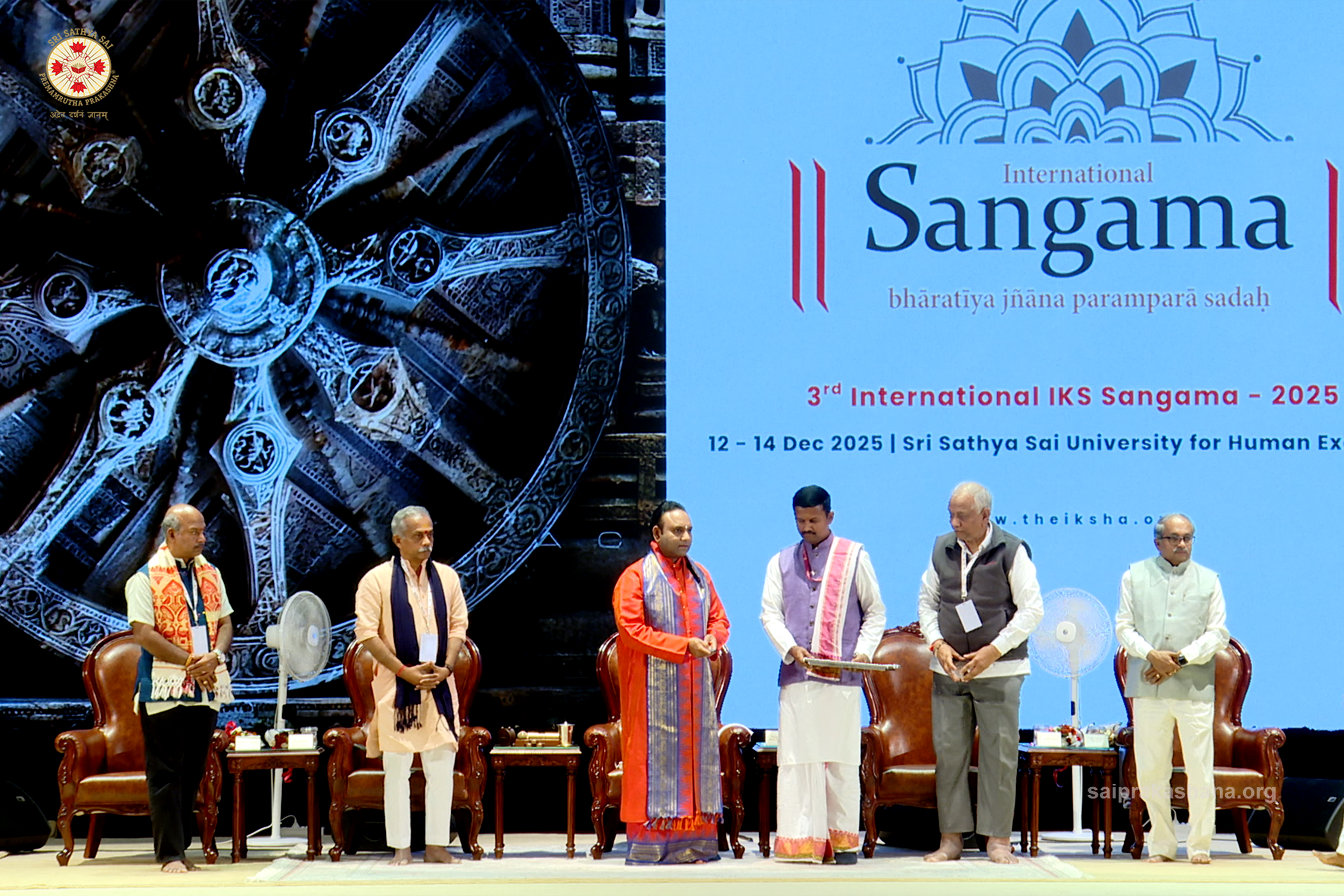
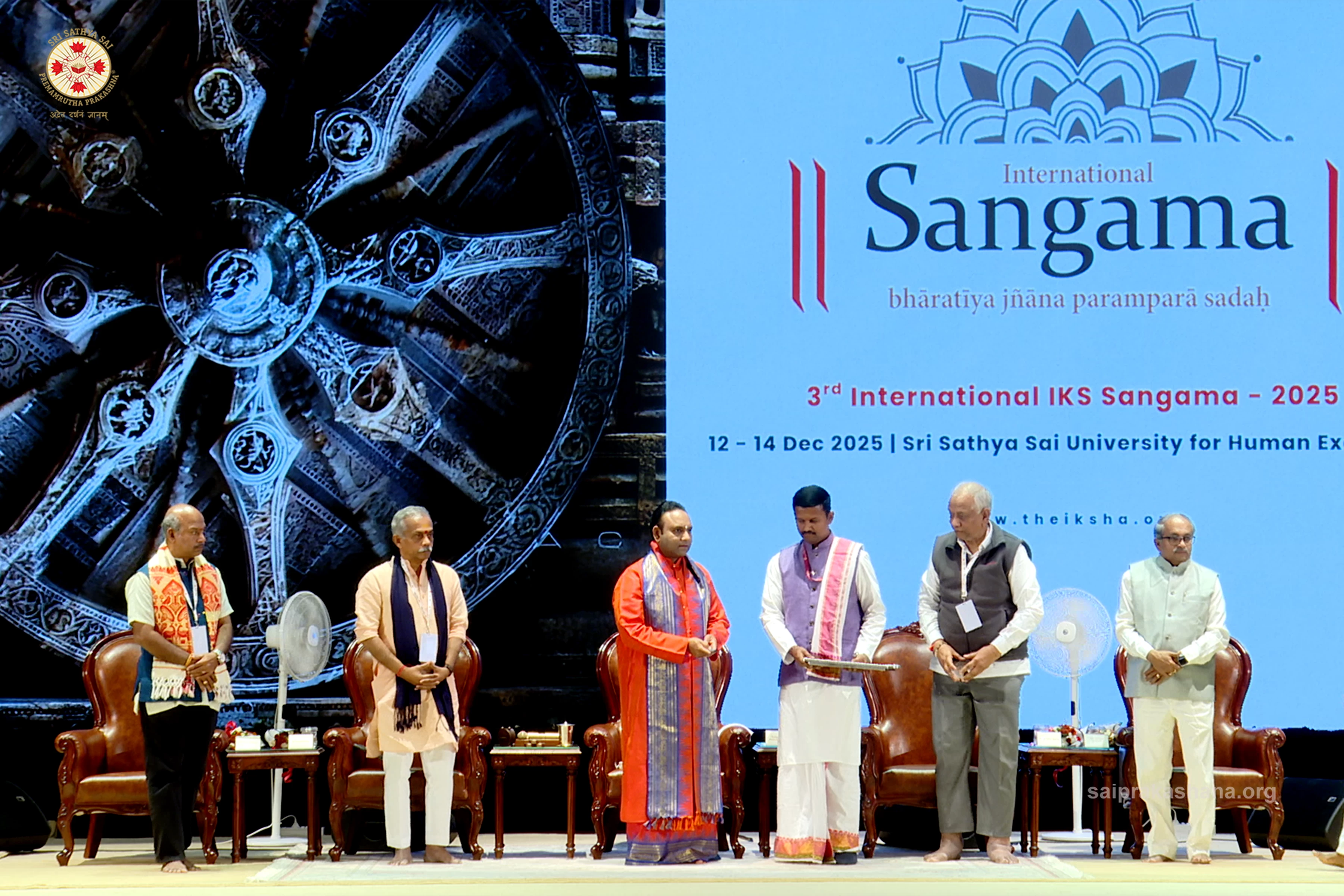
Sajjana Samāgama: A Confluence of Ancient Wisdom and Modern Thought Highlights of the 3rd International IKS Sangama...
Day 1: The Grand Invocation (December 12)The Sangama began...
Day 2: Intellectual Manthan & Cultural Splendour (December 13)
Day 3: Valedictory & The Path Forward (December 14)The...
Distinguished Dignitaries & OrganisersThe event was a...
Continue Reading